Uncle Nearest: Receivership eroding brand value
Grant Sidney Inc., along with Fawn and Keith Weaver, seek emergency hearing
4:26 p.m. Jan. 20, 2026

Instagram: fawn.weaver
DUANE CROSS
MCO Publisher•Editor
The founders and related groups behind Uncle Nearest Inc. have asked a federal judge to quickly reconsider the court-ordered receivership over the whiskey company. They argue that this measure is no longer needed and is now hurting the brand’s market position, sales, and overall value.
In an emergency motion filed Tuesday, Jan. 20, Grant Sidney Inc., along with Fawn Weaver and Keith Weaver, requested that the U.S. District Court for the Eastern District of Tennessee schedule an expedited, multi-day evidentiary hearing on their pending motion to reconsider the receivership imposed earlier in the case brought by Farm Credit Mid-America, PCA.
As an alternative, the movants asked the court to immediately limit the receiver’s authority to asset monitoring and reporting while restoring day-to-day operational control to Uncle Nearest’s board and management.
This filing comes as the legal dispute over Farm Credit’s loans to Uncle Nearest continues, following the appointment of a receiver in September 2025.
Request for Expedited Review
The motion says the receivership was put in place quickly, with limited information and little time, and without a full presentation of the key issues. The movants argue that federal courts can change or end a receivership if circumstances change, and they believe that has now happened.
They asked for at least two days for a hearing, saying that both testimony and documents are needed for the court to decide if the receivership is still appropriate and needed.
Sales Decline Attributed to Receivership
A main point in the filing is that Uncle Nearest’s recent drop in business happened right after the receivership began, and was not caused by wider market trends.
The movants cited Nielsen (NIQ) retail scan data showing that Uncle Nearest consistently outperformed the broader American whiskey market from 2023 through August 2025. According to the filing, that pattern reversed beginning in September 2025, immediately after the receiver was appointed. By January 2026, Uncle Nearest was underperforming the market by 18.3 percentage points, representing what the movants described as a dramatic reversal from January 2025, when the brand outperformed the market by more than 30 points.
The motion blames the decline on decisions made during the receivership, such as many out-of-stock situations during important sales times and strategy choices that reportedly went against the advice of the company’s sales and marketing leaders.
Brand Strength and Market Position
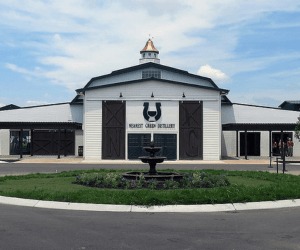
The filing highlights Uncle Nearest’s growth before the receivership. The movants say the brand went from its 2017 launch to becoming one of the top American whiskey brands in five years and the second-largest Tennessee whiskey brand in the U.S. They also state that the Nearest Green Distillery became one of the world’s most visited distilleries, attracting over 200,000 visitors each year.
The movants argue that clear leadership and ownership are key to keeping consumer trust in a premium spirits brand, and that the uncertainty from the receivership has hurt that trust.
Governance and Financial Restructuring Plans
The motion describes a governance and financial plan that the movants say was ready before the receivership but could not be put into action after control shifted to the receiver. The plan included hiring an experienced beverage-industry CFO, oversight by a Big Four accounting firm, and creating a new board of directors under the company’s rules.
The movants also said that a plan to reduce debt and stabilize the balance sheet, using current financial data from professionals hired by the receiver, could handle creditor claims through cash flow, negotiated restructuring, and asset-backed repayment, while keeping the company’s value intact.
Disputes Over Alleged Misconduct
The filing firmly denies any claims of fraud or intentional wrongdoing by Fawn Weaver or Grant Sidney Inc. It says there is no claim explaining why Weaver is a defendant or linking her to any misconduct. The movants argue that taking away ownership and control rights without proof of wrongdoing is unfair and is causing harm to their reputation and business.
They also say that Weaver did not personally gain from any actions Farm Credit calls fraudulent, and that the loan money was used for hard assets like building the distillery and buying whiskey inventory, which they claim are worth more than the debt owed.
Lending Approvals and Payment History
The motion also questions Farm Credit’s actions before it asked for a receivership. The filing says Farm Credit approved about $67 million in loans over 13 months, averaging $2.5 million every two weeks, through the company’s former CFO. The movants point out that the Farm Credit officer who approved these loans has not testified under oath in the case.
They also dispute the claim that Uncle Nearest was in default, saying a missed payment in January 2024 was quickly fixed and that the company paid about $15 million to Farm Credit during that time.
Inventory Dispute
Another main dispute is over claims that about $21 million in whiskey inventory, or around 20,000 barrels, was missing. The movants say the barrels were bought under forward contracts using a third-party financing method common in the spirits industry, and that this inventory should count under standard accounting rules. They argue that an incomplete audit led to the wrong conclusion that the barrels were missing.
Concerns over Liquidation Approach
The filing also criticizes what the movants call a liquidation-focused approach by the receiver, who they say mainly has experience with Chapter 7 liquidations, not reorganizations. They argue that Uncle Nearest is still financially healthy and able to keep operating, and that decisions made during the receivership do not support keeping the business going.
The motion says shareholders are increasingly worried that restructuring without the original leadership could lead to a forced sale that undervalues the company.
Requested Relief
The movants asked the court to either set a quick evidentiary hearing within two weeks or, if that is not possible, to temporarily limit the receiver’s role to monitoring and asset preservation, while giving back operational control to company leaders under court supervision.
They argue that this temporary relief would better protect creditors while also stopping what they call the ongoing loss of brand and company value as the case continues.


Uncle Nearest receivership fight widens
Farm Credit, court-appointed receiver ask judge to expand Uncle Nearest receivership, while founders press to end court control.

Uncle Nearest Suit: Asset liquidation underway
Receiver seeking court approval to sell a $2.5M Martha’s Vineyard property, as separate foreclosure moves forward in Shelbyville.

Atchley keeps receivership in place pending motions
Judge Charles E. Atchley Jr. has maintained the receivership and set new briefing deadlines: filings are due Feb. 26, and responses are due March 5.

What to Know: Farm Credit v. Uncle Nearest Inc.
A complete reader guide – including a full recap, timeline, FAQ, and receivership explainer – to show where the case stands now and what could happen next.

Weavers again seek to end Uncle Nearest receivership
Founders of whiskey brand are asking a federal judge to terminate the company’s receivership, arguing assets exceed debts and operations remain viable.

Receiver flags real estate in Uncle Nearest case
Real estate in Tennessee, Martha’s Vineyard, and Cognac at center of new Uncle Nearest court filings as insolvency, receivership questions intensify.