Hazard Mitigation Plan outlines risks, priorities
10:47 a.m. Feb. 15, 2026

Jason Deal notes the plan focuses on coordinating with neighboring areas and existing planning efforts to align with broader emergency preparedness goals.
DUANE CROSS
MCO Publisher•Editor
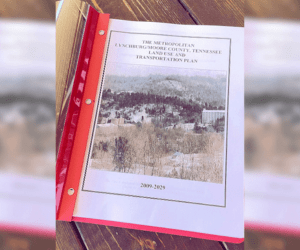
Jason Deal, Metro Moore County’s public safety director, will present the updated Hazard Mitigation Plan to the Metro Council at 6:30 p.m. Monday at the American Legion building, 119 Booneville Hwy. in Lynchburg. The update highlights local disaster risks, vulnerabilities, and long-term strategies to reduce impacts on residents, infrastructure, and essential services in Lynchburg and Moore County.
Hazard mitigation planning has drawn increasing national attention as disasters grow more costly and complex. Federal law requires local governments to maintain approved mitigation plans to remain eligible for certain disaster assistance and funding programs. The local plan fulfills those requirements and positions the county to pursue future mitigation grants through state and federal agencies.
Planning Process and Public Involvement
The updated plan was developed in accordance with federal guidelines and included a planning committee comprising members from emergency management, public safety, health, transportation, utilities, and local government. Meetings began in 2024 and continued into 2025, with opportunities for public comment and participation throughout the process.
Agencies involved included the Tennessee Emergency Management Agency, Moore County Sheriff’s Office, Jack Daniel’s Distillery Fire Brigade, Tennessee Department of Health, and other regional partners. The plan also focused on coordinating with neighboring areas and existing planning efforts to align with broader emergency preparedness goals.
Officials described the planning framework as a four-phase process: organizing resources, assessing risks and vulnerabilities, developing mitigation strategies, and maintaining the plan through ongoing monitoring and updates.
Hazards and Vulnerabilities
The plan evaluates a range of potential threats affecting Lynchburg-Moore County, including drought, extreme temperatures, flooding, severe weather, tornadoes, communicable diseases, hazardous materials incidents, and infrastructure disruptions. Some hazards – such as flooding, winter storms, and severe weather – pose greater localized risk, while others may have broader regional implications.
Community vulnerability is shaped not only by geography and weather patterns but also by demographics and socioeconomic conditions. Local data indicate that a significant portion of our community:
• Lives below the poverty line (11.3%)
• Lacks health insurance (9.9% under age 65)
• Faces transportation and housing challenges (9.3%)
All of the factors can increase disaster risk and complicate recovery.
The county has a low population density and is mostly rural, which can offer benefits but also create challenges for emergency response and infrastructure maintenance.
Infrastructure, Transportation, Critical Services
Major roads, such as Highways 50 and 55, link Lynchburg to nearby communities. Interstates and nearby regional airports support emergency logistics and evacuation if needed. Important waterways, like the Elk River and East Fork Mulberry Creek, are key natural features but can also cause flooding.
Emergency services in the area include volunteer fire departments, law enforcement, emergency medical services, and access to regional healthcare. All of these are central to disaster response and recovery planning.
Mitigation Strategy and Next Steps
The updated plan looks at progress since the 2019 version. Some earlier mitigation actions are complete, while others are still in progress or under review. The new update incorporates lessons learned, updated risk data, and community changes to guide future investments and preparedness.
If the plan is adopted locally, Lynchburg and Moore County can apply for mitigation funding to begin projects that reduce hazard impacts, strengthen infrastructure, and improve public safety. Officials stressed that hazard mitigation is an ongoing process that needs teamwork among government agencies, community partners, and residents.
With disasters occurring more frequently and costing more across the country, leaders say that planning ahead remains one of the best ways to protect lives, property, and the community’s long-term stability.

Feb. 16 Metro Council Agenda

⊕ Click image to enlarge
Community Partners