The Plan: Revitalize downtown, shape growth
12:02 p.m. Nov. 13, 2025

DUANE CROSS
MCO Publisher•Editor
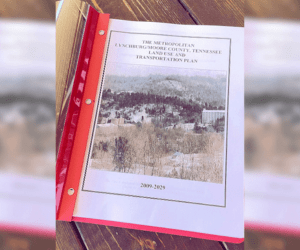
The Moore County Planning and Zoning Commission is taking another look at the county’s Land Use and Transportation Plan (2009–2029) to help guide sustainable community growth. Today, we are taking a look at the Commercial aspirations, whose primary goal is to revitalize Downtown Lynchburg while keeping its historic charm and small-town feel.
Keep in mind, the Metro Council passed this plan in January 2010; these objectives and directives are now almost 16 years old ...
Balancing Preservation and Progress
Downtown Lynchburg, which is Moore County’s Central Business District, is both an economic hub and a symbol of local heritage. The plan notes that many residents want to “pump new life into the County’s square and surrounding neighborhoods” while keeping the area’s rustic appeal.
Instead of expanding outward and consuming more undeveloped land, the Planning Commission proposed examining how to make better use of existing infrastructure – including public utilities and streets already in place. The idea is to invest in what Lynchburg already has, while improving traffic safety, public parking, and pedestrian accessibility.
“Downtown Lynchburg is not just a commercial area; it’s the heart of our community,” the plan noted. “Revitalizing it in a thoughtful way will benefit residents, visitors, and local businesses for years to come.”
Historic Character and Modern Needs
Since much of Downtown Lynchburg is part of a Historical Overlay District, any commercial development must be reviewed by the Historical Commission to make sure it fits the area’s historic character. Infrastructure improvements, such as reduced speed zones, new traffic lights, and changes to intersections along Majors Boulevard, will need cooperation with the Tennessee Department of Transportation and access to state and federal grants.
The plan also encouraged local businesses to come back to the downtown area and take part in renovations that support walkability, green spaces, and the preservation of historic looks.
Tennessee Main Street Program Consideration
To help reach these goals, the plan suggests that Moore County apply for the Tennessee Main Street Program. This statewide initiative supports downtown revitalization through economic development, technical help, and historic preservation.
With the Moore County Courthouse, a registered historic site, as the focal point, joining the program could offer valuable tools and funding to help Lynchburg grow as both a commercial center and a historic destination.
Objectives for Commercial Development
The Land Use and Transportation Plan lists several objectives and policies to guide future commercial growth. Some of the main goals are:
- Creating a viable downtown center within the Urban Services District, focused on small businesses and community services.
- Supporting the local Chamber of Commerce in recruiting and retaining businesses that meet local market needs.
- Expanding current commercial areas by grouping businesses together in planned clusters instead of using strip-style development.
- Improving parking and pedestrian infrastructure downtown by adding wider sidewalks and more public parking spaces near Main Street, Craig Street, and Majors Boulevard.
- Seeking state and federal grants to help lower the financial burden on county taxpayers.
The plan also discourages high-traffic, large commercial projects in the downtown area. Instead, these developments should be placed along major collector roads or main routes, especially south of the Highway 129 intersection with Majors Boulevard, where the infrastructure can better support them.
Updating Zoning for Rural and General Commercial Districts
Over the next two to three years, Moore County plans to review and update the R-2 (Rural Center) and C-2 (General Commercial) zoning districts to better match the county’s long-term vision. These changes will be made after talking with residents, business owners, and other community members.
The proposed changes to the R-2 district would allow a mix of small-scale commercial, civic, and residential uses, as well as tourist accommodations like bed-and-breakfast inns and lodges. New neighborhood development standards would make sure that new buildings and infill fit with existing styles, setbacks, and heights, helping to keep each community’s unique character.
For the C-2 district, updates would require that new developments be on at least one acre of land, have direct access to collector roads, and include proper buffers from nearby homes.
A Vision Rooted in Community
At its heart, the Commission’s renewed focus on the commercial aspects of the Land Use and Transportation Plan reveals a broader goal: guiding Moore County’s growth in a manner that respects its past and prepares for its future.
By choosing revitalization instead of expansion, and working together instead of separately, officials hope to keep Downtown Lynchburg a thriving, walkable, and historically rich center of life in Moore County.
Top Goals for Downtown Lynchburg Revitalization
Per the Land Use and Transportation Plan (2009-2029)
1. Preserve Historic Character
Ensure all development within the Historic Overlay District reflects Lynchburg’s rustic, homespun charm and architectural heritage.
2. Reinvigorate Local Business
Encourage existing and new businesses to invest in downtown storefronts, creating a stronger retail and service base for residents and visitors alike.
3. Improve Pedestrian Access
Expand sidewalks, crosswalks, and greenspaces to make Downtown Lynchburg safer and more inviting for foot traffic.
4. Strengthen Parking and Traffic Flow
Develop new public parking areas and work with TDOT on improved traffic controls, including speed reductions and updated intersections.
5. Join the Tennessee Main Street Program
Leverage state-level resources for economic development, historic preservation, and technical guidance.
6. Pursue State and Federal Grants
Secure outside funding for infrastructure and beautification projects to reduce the burden on local taxpayers.
7. Modernize Zoning Codes
Update the R-2 and C-2 districts to encourage thoughtful, small-scale development that supports both the downtown core and surrounding rural centers.
Previously
• Moore County’s Forgotten Blueprint for Growth
Every community experiences growth, but how leaders manage it determines whether a county succeeds or faces challenges. The Land Use and Transportation Plan aims for a balanced approach, focusing on managing growth to protect natural resources, preserve rural character, and guide development with care and consideration.
>> Read More