From Rock to Barrel to Bottle
Jack Daniel’s whiskey is built the hard way, the only way
#Barrelhouse 107 • 9:32 a.m. Aug. 22, 2025

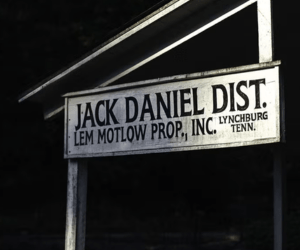
Jack Daniel Distillery
In 1884, Jack Daniel laid down $2,148 – a small fortune at the time – for Cave Spring Hollow and the land around it. He didn’t just buy a piece of property; he secured the heart of what would become his whiskey. More than a century later, the distillery still leans on that same spring.
From deep below the earth, the limestone cave pushes up over 800 gallons of crystal-clear, 56-degree water every minute. No sediment. No impurities. And most importantly, no iron. Iron ruins whiskey, but the limestone naturally filters it out. Jack may not have known all the science, but he knew what mattered: pure water makes better whiskey. That decision still pays off.
Jack also knew his recipe had to be just right. He picked 80% yellow corn for sweetness, 12% malted barley for structure, and 8% rye for a bit of spice. The grains meet the cave’s water, cook just long enough, then cool before yeast joins the mix.
For six slow days, the mash bubbles and breathes. Yeast goes to work, breaking down sugars, turning them into alcohol, and transforming a sweet grain porridge into something new. By the end, the mash holds about 10.5% ABV. No shortcuts, no additives – just what nature and time create together.
From there, the mash heads to tall copper stills. Steam rises, mash flows down, and alcohol vapor lifts off and condenses into liquid. The big stills produce 50–60 gallons every minute, the small ones about half that, all coming out strong at 140 proof.
But raw whiskey straight from the still tastes rough. So Jack’s whiskey takes another step – a slow walk through 10 feet of sugar maple charcoal. Drop by drop, it trickles for three days, leaving behind harsh edges and picking up a smoother character. This is the Lincoln County Process, and it’s what makes Jack a Tennessee Whiskey, not a bourbon.
Even the barrels tell a story. For decades, Jack Daniel’s parent company, Brown-Forman, owned its cooperages – the only American whiskey maker to do so. Skilled coopers shape each barrel from 33 staves, fitting them tight so not a drop leaks. They toast the inside to coax out wood sugars, then char it to open the oak and give whiskey both its deep color and its future flavor. Every barrel holds 53 gallons, and at Jack, no barrel ever gets reused. Once filled, it heads to the barrel houses.
Those barrel houses – 97 of them and counting – stand like cathedrals across the hills. Some stretch eight stories high, holding thousands of barrels apiece. Inside, the whiskey begins its quiet, patient work. As Tennessee’s seasons shift, the oak breathes.
Whiskey seeps deep into the wood and then back out again, carrying flavors with it. Barrels up high face more heat and pull out more boldness, while barrels down low mellow more gently. Gentleman Jack, Honey, Fire, and Apple often start low. Premium Single Barrels and special releases rise to the top floors. Old No. 7, the classic, comes from everywhere in between.
No calendar decides when whiskey is ready – only the Master Tasters. After four to six years, they roll the barrels out. Each yields about 240 bottles, though angels always claim their share. Workers blend them in massive tanks, truck the whiskey up the road, and bottle it in those familiar square bottles.
Single Barrel whiskey skips the blending. Each one stands on its own, bottled exactly as it is. From that first trickle of cave spring water to the last pour into a glass, Jack Daniel’s whiskey carries the story of patience, purity, and purpose.
And when it finally reaches your hand, it’s meant for one thing: to be savored, just as Jack intended.

Steven Barbaro
Steven Barbaro is a Tennessee Squire. He runs the Barrelhouse 107 Facebook page. He can be reached at steven@mcobserver.news.