Farm Credit, Uncle Nearest offer receiver choices
3:16 p.m. Aug. 20, 2025

DUANE CROSS
MCO Publisher•Editor
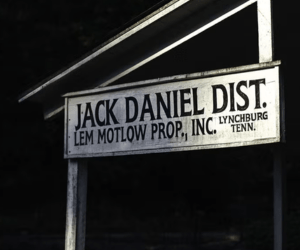
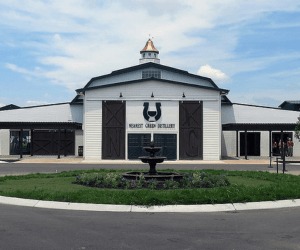
The dispute between Farm Credit Mid-America and Uncle Nearest Inc. over control of the award-winning whiskey brand’s finances intensified on Wednesday, Aug. 20, as both sides submitted competing candidates to serve as court-appointed receiver.
Farm Credit, the lender suing Uncle Nearest and affiliated companies for defaulting on more than $65 million in loans, filed a statement backing Kevin Larin of Riveron RTS, LLC as its first choice, citing his team’s “nearly 2,000 man-hours” spent analyzing the distillery’s finances. As an alternative, the lender proposed Jeremiah Foster of Resolute Commercial Services, LLC, who has served as a receiver in Tennessee and across the country, including in the beverage sector.
Attorneys for Uncle Nearest, founders Fawn and Keith Weaver, and affiliated entities countered with their filing, asking U.S. District Judge Charles Atchley to appoint instead Phillip G. Young, Jr., a Columbia, Tennessee-based attorney with 25 years of receivership and restructuring experience. They argued that Young’s local presence, knowledge of Tennessee’s distilled spirits regulations, and history of working with both creditors and debtors make him the “optimal candidate.”
The filings came in response to Judge Atchley’s August 14 order directing the parties to submit names after ruling that a receiver is necessary. In its order, the court found Uncle Nearest was unable to meet debt obligations, faced imminent cash shortfalls, and risked losing asset value without outside oversight.
Farm Credit emphasized that Larin already serves as a financial advisor in the case and brings deep experience in restructuring beverage companies, including Stoli Group and Vintage Wine Estates. If the court does not select him, Farm Credit proposed Foster as an alternative, highlighting his “extensive receivership and restructuring experience, including in the beverage space.”
Uncle Nearest’s attorneys, however, voiced concerns about Riveron’s approach, saying the firm had considered bulk liquidation of inventory despite “a softening bourbon economy” and lacked a Tennessee presence. They argued Young would preserve brand value by avoiding “fire sale” tactics, work with the Weavers to maintain consumer goodwill, and promptly ensure compliance with federal Alcohol and Tobacco Tax and Trade Bureau regulations.
Judge Atchley’s ruling will determine who assumes control over Uncle Nearest’s distillery operations, real estate, and inventory while litigation over the loans continues.


Uncle Nearest receiver eyes sale as financial troubles mount
Three prospective buyers remain in negotiations, but receiver Phillip Young offers little hope of a return for shareholders.

Sixth Circuit moves Uncle Nearest appeal forward
Weavers, Grant Sidney may continue appeal over Uncle Nearest receivership, with briefing beginning in November.

Receiver: Permanent Grant Sidney control may not be needed
September filings include dismissal request from Keith Weaver, a withdrawn motion from Fawn Weaver, and another October deadline.

Humble Baron ordered into Chapter 7 bankruptcy
Federal judge hears evidence concerning unauthorized transfers, insider transactions, years of losses, and removed equipment.

Humble Baron gets more time as bankruptcy questions mount
Humble Baron remains in Chapter 11 for now as questions continue over $100K+ in transfers, a $1.1M IRS claim, and unfiled taxes.
Receiver urges Chapter 7 for Humble Baron
Humble Baron faces a bankruptcy hearing after failing to return $66,350 in unauthorized transfers by a court-ordered deadline.