Slop program puts spotlight on grazing, costs
9:14 a.m. Sept. 18, 2025

DUANE CROSS
MCO Publisher•Editor
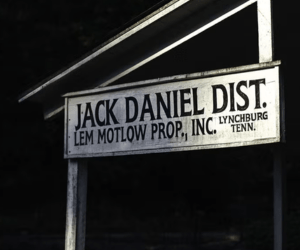
For as long as many can remember, Moore County farmers have lined up at the Jack Daniel Distillery to collect stillage, the nutrient-rich “slop” left behind after the whiskey-making process. Known formally as the Cow Feeder Program, the practice provided an inexpensive feed source that kept local cattle operations running with lower costs.
That chapter is closing. Brown-Forman, which owns Jack Daniel’s, announced Monday, Sept. 15, that the program will be phased out by spring. With the final load of slop scheduled to roll out March 31, 2026, local cattle farmers are now looking hard at how they’ll feed their herds in the months and years ahead.
Exploring Grazing Options
Without distillery slop, many farmers are turning back to the land itself – weighing the costs and benefits of different grazing systems.
• Continuous grazing, the most common and traditional method, allows cattle to roam a large pasture for extended periods of time. It requires little investment, but the drawbacks – soil compaction, uneven manure distribution, and overgrazed forage – can lower pasture health and, ultimately, herd performance.
• Rotational grazing is a more intensive system where herds are moved frequently between smaller paddocks. This approach allows pastures to rest and recover, improving forage quality and soil health. Farmers who invest in infrastructure – such as fencing, water systems, and additional labor – may experience reduced feed costs, healthier cattle, and even increased drought resilience over time.
• Some ranchers take it a step further, employing high-intensity rotational grazing. With multiple moves per day, the system maximizes soil fertility and reduces weed pressure; however, it also requires significant management, planning, and infrastructure.
“Any time you add more rotation, you’re adding more work and cost up front,” explained one farmer. “But long term, it can stretch your grass further and lower your reliance on purchased feed.”
The Bottom Line: Raising Cattle Isn’t Cheap
Even with efficient grazing, raising a cow is a significant investment. USDA data suggest that the cost ranges from $1,000 to $2,500 or more per animal, depending on factors such as farm size, feed bills, and land access. Feed is typically the single most significant expense, particularly during winter when supplemental hay or grain is required.
For smaller farms, the loss of Jack Daniel’s slop could add hundreds of dollars per head each year in feed costs. Larger operations may absorb the blow more easily, thanks to economies of scale.
Profit margins are just as variable. While good years can bring returns of $200 or more per cow, the average profit often sits closer to $124 – and can drop into the negatives when feed prices soar or cattle markets fall.
“Some years you make money, some years you don’t,” one Moore County cattleman said. “That distillery feed gave us a cushion. Without it, we’ve got to rethink how we manage our grass, or we’ll be buying a lot more hay.”
A Transition Period
As the Cow Feeder Program winds down, the adjustment won’t happen overnight. Many local producers are now considering rotational or even high-intensity grazing systems to help offset rising feed costs. Others may reduce herd size or invest in new fencing and water lines to maximize their land’s potential.
The end of an era at Jack Daniel’s is, in many ways, the start of a new chapter for Moore County agriculture – one that will test the resilience, resourcefulness, and bottom lines of local cattle farmers.

Brown-Forman winding down stillage program
Farmers’ allotments of slop will be reduced starting Oct. 1. A second round of reductions will follow on Jan. 1, 2026, and the program will officially end April 1.