Odors, Oversight, and the 3 Rivers Digester
Facility regulations, why it smells, and what complaints can (and cannot) do
8:00 a.m. Dec. 19, 2025

3 Rivers Energy Partners' anaerobic digester at 852 Goodbranch Rd.
DUANE CROSS
MCO Publisher•Editor
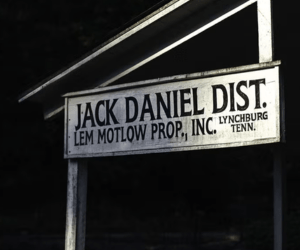
3 Rivers Energy is starting up an anaerobic digester to handle stillage from the Jack Daniel Distillery, turning this organic byproduct into renewable energy. As the facility becomes more active, Moore County residents have raised more concerns about odors, especially near Goodbranch Road and Highway 55 by the high school. This is a straightforward summary of the digester, without the corporate language from Brown-Forman (Jack Daniel’s parent company) or 3 Rivers Energy (operating as Lynchburg Renewable Fuels) – just the facts, ma'am:
In Tennessee, distillery stillage is regulated as an industrial organic waste under existing environmental laws. The Tennessee Department of Environment and Conservation (TDEC) does not have special rules just for whiskey waste or stillage digesters. Instead, TDEC regulates these facilities based on whether they discharge wastewater, emit air pollution from biogas equipment, or manage digestate as a solid waste or soil amendment.
The primary goal of these regulations is to protect the environment by focusing on water and air quality and proper waste handling, not on the material's origin in whiskey production.
Water Rules (Clean Water Act, administered by TDEC)
How stillage is viewed: Stillage is considered industrial wastewater because it contains high levels of organic material.
What this means: If stillage or digester liquid is discharged into a creek, river, or lake, the facility must have a water discharge permit issued by TDEC.
If stillage or digester liquid is sent to a municipal wastewater treatment plant, it must meet pretreatment requirements to avoid overloading the system.
If the digester is a closed-loop system with no discharge, a discharge permit may not be needed. However, storage, spill prevention, and land application are still regulated. (This is the category for Lynchburg Renewable Fuels.)
As 3 Rivers GM Marshall Miller explained, the stillage arrives via pipeline. It’s received in a tank before entering the digesters. The digesters are anaerobic, meaning they are sealed to prevent air from entering or exiting. The gas is collected for processing and is sent to the pipeline or flared.
The digestate (fertilizer) is sent from the digesters to the covered/lined storage pond. Nothing leaves the site via discharge, so there is no discharge permit. The fertilizer is transported to fields for application at an approved rate. A stormwater permit governs runoff and related activities at the facility.
Plain-language takeaway: TDEC regulates stillage digesters the same way it regulates any industrial wastewater system in Tennessee.
Air Rules (Clean Air Act, administered by TDEC)
How air regulation applies: The digester itself usually does not emit air pollution. The air rules apply to the equipment that uses the biogas, such as flares, engines, boilers, and generators.
What this means in practice: If biogas is burned, the facility may need an air permit from TDEC.
Larger systems may need more detailed permits; smaller systems may qualify for simpler approvals.
Methane and other emissions are regulated based on equipment size and output, not because the facility processes whiskey.
Plain-language takeaway: TDEC focuses on regulating emissions from equipment, not on the materials that enter the digester.
OK, but what about the smell? The odor at the Lynchburg Renewable Fuels facility is a temporary startup issue associated with reduced operating levels and is confined to the stillage reception tank. As the facility ramps up to normal throughput, the odor is not expected to persist.
In the meantime, the company is applying odor-binding agents, lowering tank levels to reduce retention time, and installing a mechanical odor-control system.
County officials have visited the site to review mitigation efforts, and LRF management continues to maintain contact with local officials and community members. The nuisance odor is expected to be under control by the end of next week.
Solid Waste Rules (Tennessee Solid Waste Program)
How stillage and digestate are viewed: If stillage or digested material is discarded, it is classified as non-hazardous industrial solid waste.
If it is beneficially reused (for example, as fertilizer or a soil amendment), it may be subject to different regulations.
What this means in practice: Digesters that accept off-site organic waste may require a solid waste processing permit.
Land application of digestate typically requires:
• A nutrient management plan
• Approval from TDEC to ensure no harm to soil or water
If digestate is considered a product instead of waste, TDEC reviews each situation individually.
Plain-language takeaway: Whether digestate is regulated as waste or as a reusable product depends on how it is handled and its final destination. (Lynchburg Renewable Fuels' end product is a reusable product – digestate, a fertilizer.)
The digestate is registered with and regulated by the State of Tennessee. It can be applied to cropland based on nutrient value to prevent high-concentration ground contamination. This will help reduce prior concerns about watershed contamination in surrounding areas while providing farmers with a low-cost natural fertilizer to replace more costly commercial fertilizers.
Biosolids Rules (usually do not apply)
Important clarification: Tennessee’s biosolids rules generally do not apply to distillery stillage digesters because:
• Stillage is not domestic sewage
• The digester is not a municipal wastewater treatment plant
Plain-language takeaway: Lynchburg Renewable Fuels does not operate as a biosolids facility.
Local and Construction Oversight
In addition to TDEC permits, stillage digester projects must also comply with:
• Local zoning and land-use rules
• Building and fire safety codes
• Stormwater management during construction
Let’s dig into the air rules, governed by the Clean Air Act and administered by TDEC.
A biogas facility in Tennessee needs an air permit because combustion generates regulated air emissions. This applies whether the biogas comes from distillery stillage, food waste, manure, or wastewater.
If a stillage digester in Tennessee burns biogas, TDEC requires an air permit for the equipment that burns the gas. The permit sets limits on emissions, operating hours, and fuel use, and requires basic monitoring and recordkeeping. Most stillage digesters qualify as minor sources, but larger systems must carefully evaluate emissions to avoid triggering major source requirements.
You may need a TDEC air permit if the facility uses:
• A flare (open or enclosed)
• An engine or generator
• A boiler or process heater
• A turbine
The digester tank itself usually does not need a permit, but the combustion equipment does.
Types of Air Permits Issued by TDEC
Permit-by-Rule (small systems)
Some small biogas systems may qualify for simplified authorization if emissions are minimal.
Typically applies to:
• Low-capacity flares
• Small engines
• Must meet strict size and emissions limits
• Still requires registration and documentation
A key point is that approval is not automatic. TDEC must confirm the system's eligibility.
Minor Source Construction Permit
Most stillage digesters fall into this category.
Applies when:
• Emissions are below major source thresholds
• Combustion equipment is moderate in size
Requires:
• An application before construction
• Emissions calculations
• Equipment specifications
• Operating limits
Major Source Permit (less common)
Required only if emissions exceed federal thresholds.
Threshold examples (annual):
• 100 tons of nitrogen oxides (NOₓ)
• 100 tons of carbon monoxide (CO)
• 10 tons of a single hazardous air pollutant (HAP)
Most distillery stillage digesters do not reach these levels, but large Renewable Natural Gas (RNG) facilities must carefully evaluate this.
Emissions That Are Regulated
When biogas is burned, TDEC regulates emissions such as:
• Nitrogen oxides (NOₓ)
• Carbon monoxide (CO)
• Volatile organic compounds (VOCs)
• Sulfur compounds (especially if H₂S is present)
• Particulate matter
• Methane slip (unburned methane)

A Done Deal – and a Wake-Up Call
The digester is here to stay. The real question: Will Moore County citizens engage, influence policy, and hold elected officials accountable for future decisions?
Odor is not officially regulated as a pollutant, but complaints about odor can still lead to enforcement actions.
State air permits for facilities that burn biogas, including anaerobic digesters that process distillery stillage, usually include various operating requirements and restrictions to limit emissions and protect nearby communities.
Permits issued by the TDEC generally set specific emission limits, expressed in pounds per hour or tons per year. These limits are based on assumptions about the quality and composition of the biogas and, in the case of flares, the required destruction efficiency of the system.
In addition to emission caps, permits often include operating limits that restrict how equipment can be used. These may include limits on engine run time, biogas flow rates, or maximum heat input. By placing caps on operations, TDEC can control emissions without requiring continuous stack testing, which is uncommon for minor sources.
TDEC may also impose control requirements to reduce pollution. These can include the use of enclosed flares rather than open flares, removal of hydrogen sulfide (H₂S) if sulfur emissions are a concern, and requirements to maintain proper combustion temperature and residence time to ensure complete burning of the gas.
Facilities are typically required to meet monitoring and recordkeeping standards, including maintaining operating logs, tracking hours of operation, and keeping equipment in accordance with manufacturer specifications. Records must be retained and made available for inspection. Continuous emissions monitoring is rarely required for smaller, minor-source facilities.
Air permits also address startup, shutdown, and malfunction events, requiring facilities to operate properly during normal conditions, take immediate corrective action when problems occur, and document any abnormal events or equipment failures.
Visible emissions are another regulatory area. Tennessee limits excessive smoke and visible emissions beyond allowed opacity levels. Persistent black smoke or ongoing flame problems can result in violations.
For anaerobic digesters specifically, TDEC typically restricts uncontrolled venting of biogas, flaring without proper ignition, and bypassing approved emission controls. Facilities are also generally prohibited from making significant changes to feedstocks that could alter gas composition without prior approval. If a facility begins accepting new off-site waste, its air permit must often be reviewed and updated.
While odor is not regulated in the same manner as air pollutants, persistent odors can be treated as a nuisance. TDEC can require corrective actions, and odor complaints – particularly in residential areas – are taken seriously.
Certain assumptions do not automatically apply to biogas facilities. There are no air rules specific to whiskey, no automatic requirement for a federal Title V permit just because biogas is used, no biosolids-related air standards, and no general requirement to flare gas if it can be used beneficially, as long as the gas is burned safely and meets permit conditions.
How Community Complaints Can Trigger Additional Controls
In Tennessee, repeated or substantiated community complaints can prompt TDEC to require additional air pollution controls at a biogas facility, even if the facility is operating within its existing permit limits. Complaints can lead to inspections, permit reviews, and new requirements such as enclosed flares, sulfur removal, or stricter combustion standards.
Community complaints, by themselves, do not automatically shut down a facility, create new regulations, or guarantee enforcement action by TDEC. A complaint, by itself, does not mean a facility is violating the law.
On Aug. 10, Lynchburg resident Chris Dickey filed a complaint with TDEC. He submitted four photos and noted, “Goodbranch Creek flowing into East Mulberry Creek is darker than the East Mulberry Creek. At 1049 Goodbranch Rd the water is clear today. Not sure where the change takes place between there and East Mulberry Creek.”
A Compliance Inspection for General NPDES Permit for Stormwater Discharges from Construction Activities (CGP) was performed by inspector Alex Fleming on Aug. 19. It noted “no” on five specific environmental questions:
• Notable impacts to waters as a result of site activities/discharges?
• Evidence of insufficiently treated stormwater discharges at outfall locations?
• Evidence of structural EPSC (Erosion Prevention and Sediment Control) measure failure/absence?
• Evidence of non-structural EPSC measure failure/absence?
• Unauthorized discharges?
As of Friday, Dec. 19, that was the only complaint on record with TDEC, and it was about water quality, not air quality. No doubt, air quality complaints will be lodged.
What complaints can do, however, is trigger closer scrutiny.
Citizen complaints – particularly when they are repeated or well documented – can prompt site inspections by TDEC’s Division of Air Pollution Control, requests for additional operating records, and a review of whether a facility is causing a nuisance or producing avoidable emissions. If inspectors determine that emissions, odors, smoke, or combustion problems are affecting areas beyond the facility’s boundaries, TDEC has the authority to require corrective action.
TDEC’s authority does not depend solely on whether a facility exceeds numeric emission limits. State air rules prohibit emissions that cause objectionable odors, create public discomfort, or interfere with the reasonable use of nearby property. If biogas combustion leads to sulfur odors, visible smoke, or unstable flames that affect neighbors, the agency may determine that the facility is creating a nuisance.
Air permits also require operators to properly run and maintain their equipment using good air pollution control practices. If complaints point to incomplete combustion, frequent flaring problems, or changes in gas quality, TDEC may determine that additional controls are necessary to meet those permit obligations.
In addition, TDEC has the authority to modify air permits when new information shows emissions are having greater impacts than initially anticipated, when existing controls are not adequately addressing off-site effects, or when operational conditions change, including feedstock changes that alter gas composition. Community complaints can provide the “new information” that justifies a permit review or modification.
In practical terms, this can lead to more stringent control requirements. Persistent smoke, visible flames, or odor complaints may result in TDEC requiring enclosed flares instead of open flares. Rotten-egg odors linked to sulfur compounds can prompt requirements for hydrogen sulfide (H₂S) removal or treatment. Complaints tied to incomplete combustion can also lead to stricter operating conditions, such as minimum combustion temperatures, longer residence times, or upgraded burner or flare controls.
While complaints alone do not trigger automatic penalties, a pattern of complaints supported by inspections or observations can result in permit amendments, new control requirements, compliance schedules, and, in some cases, enforcement action.
Will the digester cause cancer?
Short answer: Erin Brockovich won't be coming to Moore County.
But the rotten-egg smell. ... Hydrogen sulfide (H₂S) is not considered a cancer-causing substance based on current scientific evidence. Major health and regulatory agencies, including the EPA, OSHA, NTP, and IARC, do not classify hydrogen sulfide as a known or probable carcinogen. Studies in humans and animals have not shown a consistent link between hydrogen sulfide exposure and cancer.
However, hydrogen sulfide is acutely toxic and can cause serious health effects at elevated concentrations, including eye and respiratory irritation, headaches, dizziness, neurological effects, and, at very high levels, loss of consciousness or death. Long-term, low-level exposure may contribute to chronic respiratory or neurological symptoms, but it has not been shown to initiate cancer.
Hydrogen sulfide poses significant health risks related to toxicity and exposure levels, but cancer is not among the documented risks.
OK, but what about the digestate? Digestate from an anaerobic digester is not itself classified as a carcinogen. However, the anaerobic digestion process can produce biogas containing volatile organic compounds (VOCs), including nitrosamines, which are considered potentially carcinogenic. In addition, digestate may contain pathogens, making strict safety measures – such as proper ventilation and personal protective equipment – essential for workers.
Researchers at Penn State Extension note that interactions between anaerobic digester byproducts, such as nitrates, and the human gut microbiome may influence cancer risk, though more research is needed. According to the EPA, properly managed anaerobic digester facilities pose a low risk to the general public. Still, occupational exposure to certain chemicals or pathogens requires careful oversight and control.
Bottom line: Living near an anaerobic digester poses far less cancer risk than everyday exposure to common consumer products. PFAS – widely used “forever chemicals” found in items like nonstick cookware, food packaging, waterproof clothing, and firefighting foams – have been in use since the 1950s and are now present in the blood of more than 98% of Americans.
At The End of the Day ...
As 3 Rivers Energy brings its anaerobic digester online to process stillage from the Jack Daniel Distillery, odor concerns from residents have drawn public scrutiny. While the project converts an organic byproduct into renewable energy, Tennessee regulators do not treat whiskey waste as a special category. Instead, TDEC oversees the operation under existing air, water, and solid waste laws that apply to any industrial biogas facility.
Odors are not regulated as a pollutant, but documented complaints can trigger inspections, permit reviews, and additional controls. The digester is regulated like any other industrial system; complaints alone do not shut it down, and the primary health risks involve exposure and nuisance, not cancer.

Redefining whiskey waste
The facility takes stillage – the grain-heavy byproduct from Jack Daniel’s whiskey-making process – and turns it into renewable natural gas and nutrient-rich fertilizer.

Updated site plan OK’d
Planning and Zoning OK’d 3 Rivers’ updated site plan, which includes a berm as a safety measure following a tank rupture at the anaerobic digester on Sept. 10, 2024.

Bolt failure crux of collapse
3 Rivers General Manager Marshall Miller said an investigation revealed a bolt failure was the primary cause of the rupture.