Weavers’ legal action challenged by receiver
9:29 a.m. Nov. 28, 2025

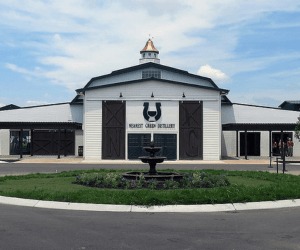
Phillip G. Young Jr. is overseeing all assets, including the Nearest Green Distillery, real estate holdings, intellectual property, affiliated ventures, and related entities.
DUANE CROSS
MCO Publisher•Editor
A court-appointed receiver in the Uncle Nearest distillery case has asked a federal judge to stop company co-founder Fawn Weaver, her husband Keith Weaver, and one of their entities from getting limited permission to sue the distillery’s largest lender. The receiver argues this move could disrupt efforts to stabilize the business.
On Wednesday, Nov. 26, Receiver Phillip G. Young Jr. filed a formal opposition in U.S. District Court in Winchester against an emergency motion from Fawn and Keith Weaver and Grant Sidney Inc. Young, who manages Uncle Nearest Inc., Nearest Green Distillery Inc., and Uncle Nearest Real Estate Holdings LLC by court order, said only he can respond for these companies and that he opposes the request for four main reasons.
Young told the court he had urged the Weavers’ counsel in a Nov. 21 phone call not to file the motion and warned it would have “negative ramifications,” but the movants proceeded and filed the emergency request on Nov. 24. The underlying case was brought by Farm Credit Mid-America, PCA, a secured lender to the Uncle Nearest entities, and is pending before U.S. District Judge Charles E. Atchley Jr. with Magistrate Judge Christopher H. Steger.
Concerns over business disruption and lender support
Young’s first point is that starting litigation now would be “extremely disruptive and damaging” to Uncle Nearest’s operations and brand value. He said that less court activity and quieter media coverage in the past month have helped him and employees, including the Weavers, focus on stabilizing the brand and have increased confidence among vendors and creditors in a possible successful reorganization.
The receiver also pointed out that the companies still rely on financial support from their largest secured creditor, who is the target of the Weavers’ proposed counterclaims. Young said the businesses cannot pay professional fees or ongoing debt service from their operations alone, and that it would be “imprudent” for both the estate and the lender to be in litigation while he is working to balance the budget, review debts and assets, and maximize recovery for creditors and shareholders.
Fear of cascading lawsuits and premature investigations
Young’s second objection is that granting limited stay relief would effectively force him to immediately investigate the Weavers’ proposed counterclaims and take a position on them, even though any such claims are likely intertwined with potential claims held by the receivership entities themselves. He said he intends to conduct a comprehensive forensic review of all financial transactions and pursue any valid causes of action against insiders, former employees, or creditors, but insisted that “now is not the appropriate time” because his team must remain focused on maintaining and growing value in what he described as a “very challenging market for spirits.”
Third, the receiver warned that if the court lifts its litigation stay for the Weavers, “other parties will likely seek the same relief,” noting he has already received “scores” of litigation threats from creditors and shareholders. Young said the existing stay has helped him hold off those threats, and he fears a wave of lawsuits would shift his time and the estate’s limited resources away from operations and toward fighting with creditors and equity holders, undermining the core purpose of the receivership.
Receiver questions strength and urgency of counterclaims
Young’s fourth reason for opposing the motion is that, based on his initial review, he has not found a strong counterclaim against the secured creditor that would significantly reduce or eliminate the debts, despite the Weavers’ suggestions. He admitted there were “abnormalities” with the loan but said he has not found anything yet that would invalidate it, though his view could change after a full forensic investigation.
The receiver argued there is no real emergency because, if valid claims come up later, the court could issue a monetary judgment against the lender or order him to hold in escrow any funds from refinancing or asset sales that would otherwise go to that creditor. Young wrote that both he and the movants should be “entirely focused” on maximizing the value of Uncle Nearest, warning that distractions from this goal could be “fatal” to the receivership entities.
Dispute over sale, refinancing strategy and confidentiality
Beyond the dispute over the stay, Young responded to claims in the Weavers’ motion that he is rushing toward a “permanent disposition” of assets and has already decided the companies can just refinance to solve their problems. He said he has told his team to look at both debt refinancing and possible asset sales, arguing that the receivership cannot last forever and must work toward an efficient solution that maximizes value, whether through a sale or restructuring with continued ownership.
Young said any prior comments about the viability of Uncle Nearest were preliminary and did not assume the same ownership and management structure would remain in place, adding that he has not yet formed an opinion on whether value would best be maximized through an internal refinancing or a sale of the business as a going concern. He promised that before taking any action to refinance debt or sell assets, he would file a motion with the court, giving the Weavers and other stakeholders a chance to be heard.
The receiver also expressed concern about a statement in the Weavers’ filing that “several competitors in the spirits industry” have contacted the investment bank working with the receivership and have tried or are trying to access a data room with confidential, sensitive information. Young said he has taken “great lengths” to protect confidentiality, requiring non-disclosure agreements before sharing any information and keeping the identities of interested parties secret from other consultants and the secured lender.
If the movants actually know which competitors have talked to his team, rather than just guessing, Young said they should be required to reveal their source so he can address any breach right away. He added that so far, only preliminary information has been shared, and no formal data room has been created, so no one could have requested access to such a repository yet.
Separate report on related entities’ bank records
In a separate filing also dated Nov. 26, Young updated the court on document production from a series of non-party entities connected to the Uncle Nearest matter, following an October 29 order requiring status reports every 30 days. Those entities include Uncle Nearest Real Estate Holdings LLC, Shelbyville Barrel House BBQ LLC, Humble Baron Inc., Grant Sidney Inc., Uncle Nearest Spurs VI LLC, Quill and Cask Owner LLC, Nashwood Inc., Classic Hops Brewing Co., Shelbyville Grand LLC, Weaver Interwoven Family Foundation, and 4 Park Street LLC.
Young reported that each non-party respondent has provided two years of bank statements for each account that exists. After reviewing transfers, he requested an additional 3 years of statements on Nov. 19 for seven entities: Shelbyville Barrel House BBQ, Humble Baron, Grant Sidney, Quill and Cask Owner, Nashwood, Classic Hops Brewing, and Shelbyville Grand. He said these additional records are due by Monday, Dec. 1.
The receiver noted that check copies, wire transfer details, and credit details were missing for six accounts. Counsel for the non-party entities said these documents were not included with the statements or easily available under the agreed order. As a solution, Young said the non-party entities have agreed to explain any transfers he and his financial consultants find “questionable,” and he promised to notify the court once all requirements under the order are met.


Uncle Nearest receiver eyes sale as financial troubles mount
Three prospective buyers remain in negotiations, but receiver Phillip Young offers little hope of a return for shareholders.

Sixth Circuit moves Uncle Nearest appeal forward
Weavers, Grant Sidney may continue appeal over Uncle Nearest receivership, with briefing beginning in November.

Receiver: Permanent Grant Sidney control may not be needed
September filings include dismissal request from Keith Weaver, a withdrawn motion from Fawn Weaver, and another October deadline.

Humble Baron ordered into Chapter 7 bankruptcy
Federal judge hears evidence concerning unauthorized transfers, insider transactions, years of losses, and removed equipment.

Humble Baron gets more time as bankruptcy questions mount
Humble Baron remains in Chapter 11 for now as questions continue over $100K+ in transfers, a $1.1M IRS claim, and unfiled taxes.
Receiver urges Chapter 7 for Humble Baron
Humble Baron faces a bankruptcy hearing after failing to return $66,350 in unauthorized transfers by a court-ordered deadline.